2026 Best Pet Food Why Is My Pet Not Eating Its Food?

Time:2026-09-09 Author:Sophia
0%

Choosing the 2026 best pet food is not only about ingredients, ratings, or attractive packaging. A suitable diet must match your pet’s age, species, health needs, activity, and eating habits. When a full bowl sits untouched, many owners ask, “why is my pet not eating its food?” The answer may involve stress, dental discomfort, nausea, spoiled food, or a sudden recipe change. Cats and dogs can show similar signs, but their nutritional needs and risks are different.

Begin with simple observations. Notice when your pet stopped eating, how much water it drinks, and whether its stool has changed. Check the food’s smell, texture, expiration date, and storage conditions. A warm kitchen can make wet food unpleasant, while stale dry food may lose its appeal. Offer normal portions and avoid constant treats, because snacks can quietly replace balanced meals. Still, this approach is not perfect. Appetite changes can be subtle, and home observations cannot replace a veterinary examination.

A veterinarian can assess teeth, digestion, pain, weight, and underlying disease. Advice from qualified veterinary nutritionists and reputable pet-food standards can also support safer choices. Seek prompt professional care if your pet refuses food for an extended period, vomits repeatedly, becomes weak, struggles to breathe, or shows severe diarrhea. Extra caution is needed for puppies, kittens, senior pets, and animals with chronic conditions. This guide will connect practical feeding decisions with evidence-based care, while recognizing that the “best” food is personal, not universal.
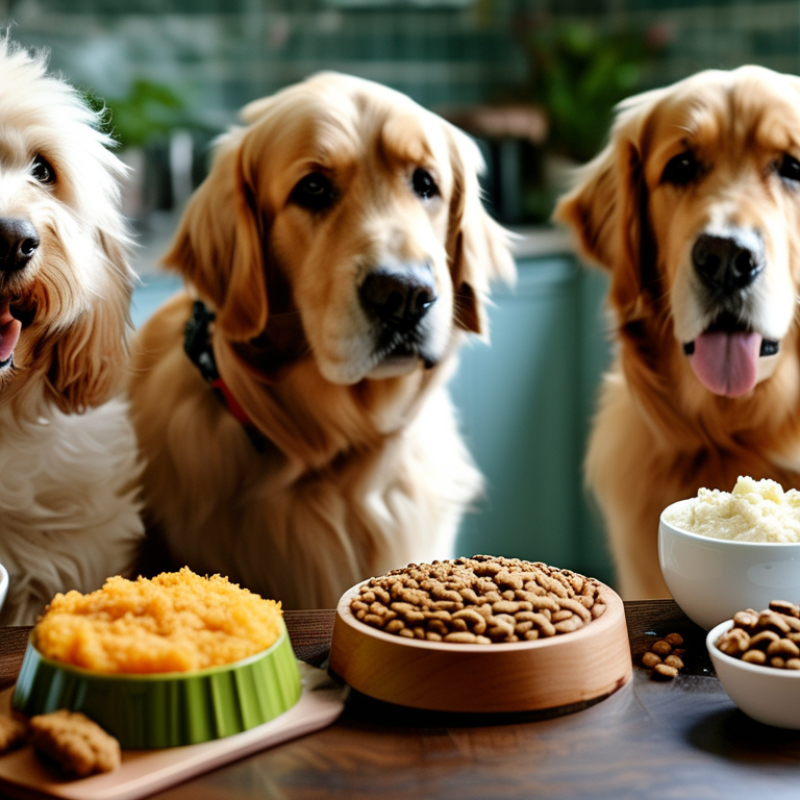
2026 Best Pet Food Why Is My Pet Not Eating Its Food?

Understanding Why Pets Stop Eating Their Food

2026 Best Pet Food: Why Is My Pet Not Eating Its Food?

Understanding why pets stop eating their food requires more than choosing a “better” recipe. Appetite can change because of dental pain, nausea, stress, medication, heat, or an underlying illness. A cat may hide after a household change, while a dog may refuse food after eating something unusual. Even a full bowl does not prove the food is the problem. Observe the timing, water intake, stool, energy, and body language. Small details matter.

Tips: Offer food in a quiet place and keep feeding times consistent. Check whether the food smells fresh and has been stored correctly. Avoid constantly changing meals, because sudden switches may upset digestion. Never force-feed a frightened or painful pet. If refusal lasts more than a day, contact a veterinarian, especially for cats, puppies, senior pets, or animals with medical conditions. Seek prompt help if vomiting, breathing difficulty, weakness, dehydration, or repeated diarrhea appears.

A veterinarian can examine the mouth, abdomen, hydration, and overall condition before recommending dietary changes. Sometimes warming wet food slightly increases its aroma, but this is not a universal solution. I have noticed that owners often blame the food too quickly; I might have made that mistake myself. Appetite is a symptom, not a diagnosis. Record what your pet eats for several days, including treats, and share those notes during the appointment.

2026 Best Pet Food: Why Is My Pet Not Eating?

General veterinary guidance on when reduced food intake should prompt professional advice.

A missed meal can result from stress, environmental change, dental discomfort, digestive problems, medication effects, or an unsuitable diet. Contact a veterinarian sooner if the pet is very young, elderly, pregnant, diabetic, vomiting, lethargic, in pain, or refusing water. Cats require particular attention because prolonged food refusal can increase the risk of serious liver complications. The time ranges shown are general guidance and do not replace professional diagnosis.

Reference: General small-animal veterinary guidance from veterinary hospital and animal-health education resources; individual recommendations may vary.

Common Medical, Behavioral, and Environmental Causes

2026 Best Pet Food: Why Is My Pet Not Eating Its Food?

A pet refusing food can signal illness, stress, or an unsuitable feeding routine. Medical causes include dental pain, nausea, kidney disease, infection, or digestive problems. Watch for vomiting, diarrhea, drooling, weakness, weight loss, or unusual thirst. Cats need prompt attention because prolonged fasting may harm the liver. Young, elderly, diabetic, or medically fragile pets should be assessed quickly. Do not force-feed without veterinary guidance.

Behavioral causes are also common. A recent move, a new animal, loud construction, or separation can reduce appetite. Some pets dislike a sudden diet change, stale food, strong smells, or a bowl placed near a litter box. Try a quiet feeding area and offer food at consistent times. Environmental details matter. A clean, shallow bowl may help, especially for cats with sensitive whiskers. Still, changing foods repeatedly can confuse the picture and worsen food refusal. I have found that guessing the cause too early is an easy mistake.

Tips: Record what your pet eats, drinks, and passes each day. Check the food’s smell, texture, storage, and expiration date. Offer small portions, but avoid table scraps and repeated pressure. If appetite does not return soon, or other symptoms appear, contact a licensed veterinarian. Their examination, history, and possible testing provide safer answers than online advice.

2026 Best Pet Food Why Is My Pet Not Eating Its Food? - Common Medical, Behavioral, and Environmental Causes
Cause Category Possible Cause Common Clues Pets Commonly Affected Recommended First Step Veterinary Urgency
Medical Dental disease, oral pain, or mouth injury Dropping food, chewing on one side, bad breath, pawing at the mouth, reluctance to eat hard food, or excessive drooling. Dogs and cats, especially older pets Offer the usual food in a softer texture only if the pet can swallow comfortably. Arrange an oral examination rather than attempting home dental treatment. Prompt appointment; same-day care if there is bleeding, facial swelling, or inability to swallow.
Medical Gastrointestinal upset Vomiting, diarrhea, nausea, lip licking, abdominal discomfort, reduced energy, or sudden food refusal. Dogs and cats Keep fresh water available and avoid table scraps or sudden diet changes. Monitor closely and contact a veterinarian if signs persist or worsen. Urgent care for repeated vomiting, bloody stool, severe pain, dehydration, or marked weakness.
Medical Systemic illness or organ disease Appetite loss with weight loss, increased thirst or urination, lethargy, jaundice, fever, or changes in normal behavior. Dogs and cats, with risk increasing with age Record eating, drinking, urination, stool, and weight changes. Do not give human medication unless specifically prescribed by a veterinarian. Veterinary evaluation should not be delayed, particularly when multiple symptoms occur.
Medical Medication side effects or treatment-related nausea Food refusal begins after a new medication, dose change, surgery, vaccination, or other treatment. Any pet receiving medication or recovering from treatment Contact the prescribing veterinary team before stopping or changing medication. Ask whether administration with food is appropriate. Prompt veterinary guidance; urgent care if breathing difficulty, facial swelling, collapse, or repeated vomiting occurs.
Medical Foreign-body ingestion, toxin exposure, or intestinal obstruction Sudden food refusal, repeated vomiting, abdominal pain, bloating, restlessness, straining, or possible access to a hazardous object or substance. Dogs and cats; curious young pets may be at increased risk Do not induce vomiting or give home remedies unless instructed by a veterinarian or animal poison service. Preserve packaging or a sample when safe. Emergency veterinary care is required.
Behavioral Food preference or learned pickiness The pet refuses one food but eagerly accepts treats or another food, especially after frequent food changes or table-food rewards. Dogs and cats Confirm that the food is fresh and appropriate for the pet. Establish consistent meal periods and limit treats; make diet changes gradually over several days. Routine veterinary check if the pattern continues, weight changes, or other symptoms appear.
Behavioral Stress, fear, or anxiety Hiding, pacing, trembling, vocalizing, clinginess, litter-box changes, or appetite loss after visitors, travel, boarding, construction, or a new animal. Dogs and cats Provide a quiet feeding area, maintain a predictable routine, and avoid forcing the pet to eat. Use gradual, positive acclimation to changes. Seek veterinary advice if appetite does not return promptly or anxiety is severe.
Environmental Food freshness, storage, or serving conditions Food smells rancid, has changed color or texture, is stale, has been stored improperly, or is served in a dirty or strongly scented bowl. Dogs and cats Check the use-by date and package condition, store food as directed, wash bowls regularly, and provide fresh water. Replace questionable food; seek care if vomiting, diarrhea, or persistent refusal follows.
Environmental Feeding location or competition The pet eats poorly near loud appliances, busy walkways, other animals, children, or when another pet guards the bowl. Multi-pet households and noise-sensitive pets Feed pets separately in a calm location. Keep the bowl away from litter boxes, heavy traffic, and startling noises. Monitor weight and intake; seek advice if avoidance continues despite environmental changes.
Environmental Temperature, routine, or activity changes Reduced appetite during hot weather, after a move, during schedule changes, or when normal exercise and sleep patterns are disrupted. Dogs and cats Maintain a cool, quiet environment, preserve regular meal times, and ensure continuous access to clean water. Contact a veterinarian if the pet is overheated, dehydrated, unusually lethargic, or continues refusing food.
Life Stage Age-related changes or reduced smell and taste Older pets may eat more slowly, lose interest in dry food, or show changes in chewing, smell, activity, and body weight. Senior dogs and cats Schedule a health and dental check. Discuss an age-appropriate, nutritionally complete diet and safe texture adjustments with a veterinarian. Arrange an appointment for persistent appetite decline, weight loss, or difficulty chewing.
Immediate Risk Prolonged food refusal or high-risk patient No meaningful food intake, rapid weight loss, weakness, dehydration, or appetite loss in a kitten, puppy, diabetic pet, pregnant or nursing animal, or pet with chronic disease. Higher-risk pets of any species Contact a veterinarian promptly for individualized guidance. Do not force-feed unless trained and instructed, because aspiration can occur. Same-day veterinary advice; emergency care for collapse, breathing problems, severe weakness, or repeated vomiting.

General guidance only: appetite loss can be an early sign of illness. Cats can become seriously ill after a relatively short period of inadequate food intake, while puppies, kittens, senior pets, and animals with chronic conditions may need earlier assessment.

How to Assess Your Pet’s Appetite and Eating Habits

When a pet ignores food, do not measure appetite by one missed meal alone. Observe the pattern. Record feeding time, portion size, treats, water intake, stool, and energy. A pet may refuse dry food but accept soft food, suggesting preference, mouth pain, or nausea. My first mistake was treating every refusal as simple fussiness.

The WSAVA Global Nutrition Committee recommends a complete nutrition assessment, including body condition, muscle condition, diet history, and changes in weight. Use the same bowl and measuring cup each day. Watch your pet eat. Dropping food, chewing on one side, lip licking, or walking away can reveal discomfort. Appetite is not the whole story.

The Association for Pet Obesity Prevention reported that 59% of dogs and 61% of cats were overweight or obese in its 2022 report. Therefore, a pet asking for less food is not automatically unhealthy, especially after reduced activity.

Check the gums, breathing, posture, and responsiveness without forcing the mouth open. Contact a veterinarian promptly if appetite loss lasts more than 24 hours, or sooner for young, elderly, diabetic, or medically fragile pets.

Vomiting, repeated diarrhea, weakness, breathing changes, or a swollen abdomen require urgent attention.

Avoid sudden diet changes and never hide medication in every meal. That can create food distrust. I still find appetite logs imperfect, but they give veterinarians clearer evidence than memory alone.

Safe Steps to Encourage Healthy Food Intake

A pet may refuse food because of dental pain, nausea, stress, heat, or a sudden diet change. In cats, even short fasting can become dangerous because liver fat may build rapidly. The 2022 Pet Obesity Prevalence Survey estimated that 59% of cats and 51% of dogs in the United States were overweight or obese. Skipping meals should not become a weight-loss plan.

Check the bowl, water, teeth, and feeding area. Offer fresh food at room temperature in a quiet place. Wash the bowl daily, and remove uneaten food after a reasonable period. You can add warm water to increase smell, but avoid seasoning, bones, or unsafe human foods. Change diets gradually over seven days. Do not force-feed without veterinary guidance.

Keep a simple log of appetite, drinking, vomiting, stool, and energy. WSAVA nutrition guidance supports complete, balanced diets suited to the animal’s life stage and health needs. Contact a veterinarian if a dog refuses food for 24 hours, or sooner with weakness, vomiting, pain, or dehydration. Cats need faster attention, especially when they stop eating. My own mistake would be treating “picky” as a personality trait. Sometimes, it is a quiet medical warning.

When to Contact a Veterinarian About Appetite Loss

When to Contact a Veterinarian About Appetite Loss

A pet missing one meal may not need emergency care, especially after travel, heat, or mild stress. However, appetite loss can signal dental pain, stomach disease, infection, kidney problems, or medication effects. Contact your veterinarian if your dog or cat refuses food for 24 hours. Puppies, kittens, elderly pets, and animals with diabetes need help sooner. Small pets, including rabbits, may require urgent care after only several hours without eating.

Seek immediate veterinary attention if appetite loss comes with repeated vomiting, severe diarrhea, trouble breathing, collapse, weakness, or a swollen belly. Pale gums, yellow eyes, bloody stool, or suspected toxin exposure also require prompt action. Do not wait for visible pain. Many animals hide discomfort remarkably well. That detail is easy to underestimate.

Before calling, record the last normal meal, water intake, bowel movements, and recent diet changes. Note unusual behavior, weight loss, drooling, chewing difficulty, or hiding. Offer fresh water and a familiar meal, but never force-feed without professional guidance. Force-feeding can worsen nausea or cause choking. A veterinarian may examine the mouth, abdomen, hydration, and temperature, then recommend testing. It is tempting to blame picky eating, yet a sudden change deserves careful attention. Your notes can make the appointment faster and more accurate.

FAQS

: Why might my pet suddenly refuse food?

: Causes include dental pain, nausea, stress, heat, illness, or a sudden diet change. It is not always pickiness.

How long can a dog go without eating?

Contact a veterinarian if your dog refuses food for 24 hours. Seek help sooner for weakness, vomiting, pain, or dehydration.

How quickly should I respond when a cat stops eating?

Cats need faster attention because liver fat can build during short fasting periods. Call a veterinarian promptly, especially after several missed meals.

What can I do at home to encourage eating?

Serve fresh food at room temperature in a quiet area. You can add warm water for a stronger smell. Do not add seasoning or bones.

Should I force-feed my pet?

No. Avoid force-feeding without veterinary guidance. It may worsen nausea or cause choking.

How can I check for simple feeding problems?

Inspect the bowl, water, teeth, and feeding area. Wash the bowl daily. Remove uneaten food after a reasonable period.

How should I change my pet’s diet?

Change foods gradually over about seven days. Mix increasing amounts of the new food with the old food. Sudden changes may upset digestion.

What warning signs require immediate veterinary care?

Seek urgent help for repeated vomiting, severe diarrhea, collapse, breathing trouble, or a swollen belly. Pale gums, yellow eyes, bloody stool, or suspected toxin exposure also need prompt attention.

What information should I record before calling a veterinarian?

Note the last normal meal, water intake, stool, vomiting, energy, and recent diet changes. Record drooling, hiding, weight loss, or chewing difficulty. Small details matter.

Could skipping meals help an overweight pet lose weight?

No. Skipping meals is not a safe weight-loss plan. Use a complete, balanced diet suited to the pet’s needs. I might wrongly call it stubbornness.

Conclusion

If you are wondering, “why is my pet not eating its food,” the answer may involve medical, behavioral, or environmental factors. Dental pain, digestive discomfort, illness, stress, changes in routine, unfamiliar surroundings, food texture, or an unappealing smell can all reduce appetite. Pets may also eat less because of age, heat, anxiety, or changes in household activity. Observing when the appetite changed, how much food is consumed, water intake, energy level, stool quality, and any signs of discomfort can help identify possible causes.

To encourage healthy eating, keep feeding times consistent, provide a calm and clean eating area, offer fresh water, and avoid sudden diet changes. Do not force-feed or give unsuitable human foods without professional guidance. If appetite loss lasts more than a short period, or occurs with vomiting, diarrhea, weakness, pain, weight loss, breathing problems, or unusual behavior, contact a veterinarian promptly. Young, elderly, or medically vulnerable pets may need attention sooner.

Sophia

Sophia

Sophia is a dedicated marketing professional with an exceptional depth of knowledge about her company's products and services. With a keen understanding of market trends and customer needs, she crafts insightful blog posts that not only inform but also engage readers, enriching the company’s online......