China Top Pet Food Suppliers How to Switch Pet Food Safely?

Time:2026-09-14 Author:Oliver
0%

China Top Pet Food Suppliers: How to Switch Pet Food Safely?

China’s pet food market is expanding, but product quality is not the only buying concern. A safe transition matters just as much. The China Pet Industry White Paper 2024 reported continued growth in household pet ownership and spending. Meanwhile, APPA’s 2024–2025 National Pet Owners Survey showed that American owners increasingly prioritize nutrition and preventive care. These trends place greater responsibility on suppliers, retailers, and pet parents.

The practical question is how to switch pet food without causing issues. A sudden change can trigger loose stools, vomiting, reduced appetite, or food refusal. Picture a dog receiving a new formula at breakfast and developing diarrhea by evening. That reaction may reflect speed, ingredients, stress, or an existing health problem. It is not always simple.

Dr. Lisa M. Freeman, a board-certified veterinary nutritionist at Tufts University, has stated, “There is no one best diet for all pets.” Her point is important when comparing Chinese suppliers, private-label products, and imported formulas. Nutritional adequacy, ingredient transparency, manufacturing controls, and veterinary guidance should guide decisions.

A gradual seven-day transition is commonly recommended by veterinary professionals. Start with about 25% new food and 75% familiar food. Increase the new portion every two days, if stools remain normal. Some pets need longer. Cats can be especially cautious.

Do not rush it.

The FDA and WSAVA emphasize complete, balanced nutrition and careful health monitoring. However, industry reports often rely on surveys, not clinical trials. That limitation deserves attention. If persistent vomiting, diarrhea, lethargy, or weight loss appears, stop experimenting and contact a veterinarian.
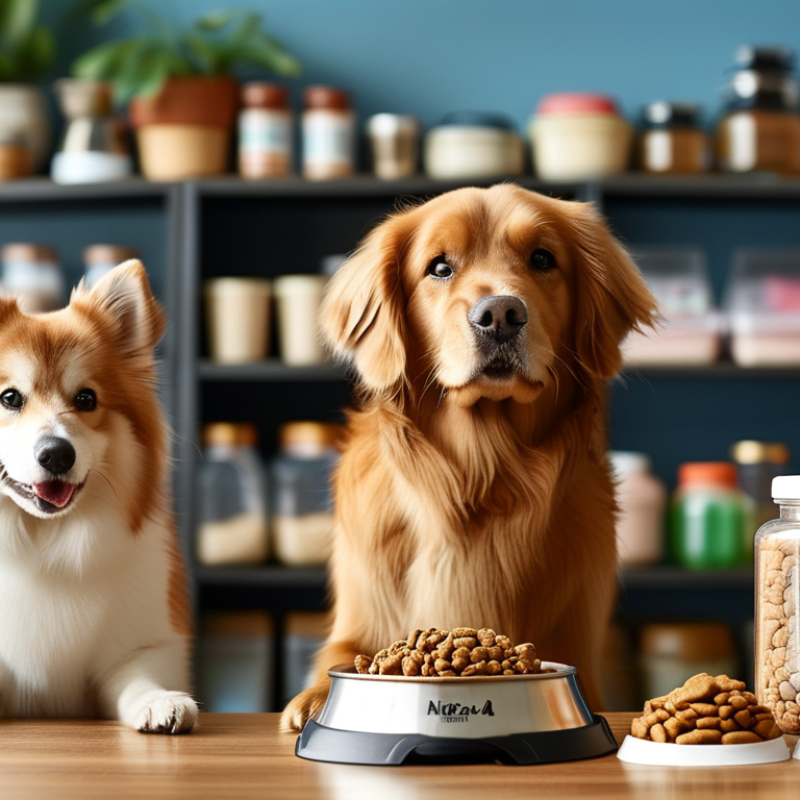
China Top Pet Food Suppliers How to Switch Pet Food Safely?

How to Evaluate China’s Top Pet Food Suppliers

When evaluating China’s top pet food suppliers, begin with evidence, not polished websites. Request the company’s registration details, factory address, product categories, and export markets. A serious supplier should explain its quality system clearly. Look for documented controls covering raw materials, production, storage, and shipping.

Visit the facility when possible, or arrange an independent audit. Check ingredient receiving areas, temperature records, pest control, and batch traceability. Ask how quickly staff can trace one finished bag back to its ingredient lots. Request recent laboratory reports for nutrition, pathogens, moisture, and contaminants. Independent testing is stronger than a supplier’s internal certificate alone. Confirm that formulas meet the requirements of your target market.

Small details reveal working habits. Are samples labeled with production dates? Do cartons resist damp warehouse floors? Can the supplier explain its shelf-life testing? Ask what happens when an ingredient, package, or formula changes. Written change-control procedures matter. A low price may hide weak testing or unstable sourcing. Trial orders can expose problems with odor, texture, sealing, and delivery accuracy.

No evaluation is perfect. I would not rely on one successful sample. Recheck quality across several batches and record every discussion. Some suppliers communicate well before payment, then respond slowly after production begins. That risk deserves attention. Supplier selection should balance food safety, technical competence, transparent records, and dependable communication.

China Top Pet Food Suppliers: How to Switch Pet Food Safely?

A gradual transition plan for evaluating a new supplier’s pet food without changing the diet too quickly.

The commonly used seven-day transition method gradually increases the new food from 25% to 100%. When comparing China-based pet food suppliers, assess product consistency, complete nutritional labeling, batch traceability, laboratory testing, and the supplier’s ability to maintain the same formulation across repeat orders. If digestive problems occur, pause the transition and consult a veterinarian.

What to Check Before Choosing a New Pet Food

Choosing a new pet food should begin with the label, not the discount. Check whether it is complete and balanced for your pet’s age, size, and health needs. The ingredient list matters, but it does not tell the whole story. Ask who manufactures the food, where it is produced, and whether each batch can be traced.

Look for clear feeding instructions, a guaranteed analysis, expiration dates, and sealed packaging. A reliable supplier should explain quality testing for nutrients, contamination, and production consistency. Contact the supplier with specific questions. Vague answers deserve caution. Your veterinarian can also review the formula, especially for pets with allergies, kidney problems, or sensitive digestion. Small details matter, such as a strong odor, damaged seal, or sudden color change.

Switch gradually over seven to ten days. Mix a small amount of the new food with the current diet, then increase it slowly. Watch stool texture, appetite, water intake, scratching, and energy levels. If vomiting or persistent diarrhea appears, pause the change and seek veterinary advice. I have found that owners often change food too quickly after seeing one unusual symptom. That reaction is understandable, but not always helpful. Keep a simple daily note. It may reveal whether the problem came from the food, portion size, treats, or stress. Fresh water matters, too. Never ignore it.

How to Plan a Safe Pet Food Transition

China Top Pet Food Suppliers: How to Switch Pet Food Safely?

A safe pet food transition needs a schedule, not guesswork. FEDIAF’s 2024 Facts and Figures report estimates 299 million pets live in Europe. APPA’s 2023–2024 survey reports that 66% of U.S. households own a pet. These figures show how many animals depend on consistent feeding decisions. When comparing suppliers in China, check ingredient specifications, batch records, storage controls, and feeding guidance. A lower price cannot replace traceability.

Plan the change across seven to ten days. Start with 75% of the current food and 25% of the new food. Increase the new portion every two days if stools remain normal. Watch appetite, water intake, vomiting, gas, and skin changes. Keep meal times and portions steady. Do not change food during travel, illness, or recovery unless a veterinarian advises it. Veterinary nutrition guidance from WSAVA supports gradual transitions, but seven days is not magic. Sensitive pets may need longer.

Tips: Keep a small feeding log. Record grams, stool texture, and reactions. Store both foods in sealed containers, away from heat and moisture. If diarrhea lasts over 24 hours, or vomiting repeats, stop increasing the new food and contact a veterinarian. A common mistake is blaming the recipe too quickly. Treat changes, table scraps, and stress can also affect digestion. Some plans need revision.

Step-by-Step Guide to Changing Your Pet’s Diet

Changing pet food safely requires patience, observation, and accurate portion control. The U.S. Food and Drug Administration recommends a gradual transition over seven days to reduce digestive upset. Start with 75% of the current food and 25% of the new food. Keep this ratio for two days.

Then use a 50:50 mixture for another two days. Move to 25% old food and 75% new food afterward. Serve meals at the same times, using a clean bowl and fresh water. Watch stool quality, appetite, vomiting, skin irritation, and energy. Small changes matter. A sudden refusal may signal stress, poor palatability, or an underlying health issue.

The American Animal Hospital Association’s nutrition guidelines report that about 55.8% of dogs and 59.3% of cats were overweight or obese in cited U.S. assessments. Therefore, do not match the new food by volume alone. Compare calories per gram and adjust portions carefully. A kitchen scale is more reliable than a cup. In practice, seven days may be too short for sensitive animals. Extending the change to 10–14 days can be sensible, especially for older pets or animals with previous digestive problems. Stop and consult a veterinarian if diarrhea persists, vomiting occurs repeatedly, or your pet refuses food for 24 hours. These recommendations align with FDA pet-food guidance and AAHA nutritional assessment principles.

How to Monitor Your Pet After the Food Switch

After switching pet food, monitor your pet closely for seven to fourteen days. A gradual transition is safer than an abrupt change. The WSAVA Global Nutrition Guidelines recommend replacing food over several days, especially for pets with sensitive digestion. Record daily appetite, water intake, stool quality, energy, and body weight. A simple kitchen scale can reveal changes before they become obvious.

Watch the litter tray or walking route. Loose stool, repeated vomiting, unusual tiredness, itching, or refusal to eat deserves attention. The U.S. Food and Drug Administration lists vomiting, diarrhea, appetite loss, and lethargy among signs linked with possible pet food problems. Do not assume every symptom comes from the new recipe. Stress, parasites, allergies, and underlying disease may look similar. Contact a veterinarian if symptoms persist, worsen, or appear with dehydration or blood. Puppies, kittens, older pets, and animals with medical conditions need closer supervision. APPA’s 2023–2024 National Pet Owners Survey reports that 66% of U.S. households own a pet, yet feeding responses remain highly individual.

Tips: Change one variable at a time. Keep the old food available during the transition. Measure portions, rather than guessing. Photograph unusual stool when needed. I once underestimated how quickly a small portion change could affect digestion. That mistake is easy to repeat. Recheck the feeding guide after your pet’s weight, activity, or stool pattern changes.

FAQS

What documents should I request from a pet food supplier?

Request registration details, the factory address, product categories, and export markets. Ask for written quality controls covering ingredients, production, storage, and shipping. Vague answers deserve caution. Do not guess.

Should I visit the supplier’s facility?

Visit when possible, or arrange an independent audit. Inspect ingredient receiving areas, temperature records, pest controls, and storage conditions. Check whether cartons remain dry on warehouse floors. A website cannot show everything.

How can I evaluate batch traceability?

Ask staff to trace one finished bag back to its ingredient lots. The process should include production dates, batch numbers, and shipping records. Test the explanation with a real sample. Keep notes.

What laboratory reports should a supplier provide?

Request recent reports for nutrients, pathogens, moisture, and contaminants. Independent laboratory testing offers stronger evidence than internal certificates alone. Confirm that the formula meets your target market’s requirements. One report is not enough.

What details reveal a supplier’s daily working habits?

Check whether samples show production dates and cartons resist damp conditions. Ask how shelf life is tested. Confirm written procedures for ingredient, packaging, and formula changes. Small details matter.

How should I test a new supplier before placing a large order?

Start with a trial order. Examine odor, texture, seal strength, delivery accuracy, and packaging condition. Compare several batches, not one successful sample. A low price may hide unstable sourcing.

What should I check on a new pet food label?

Look for complete and balanced nutrition suited to the pet’s age, size, and health needs. Check feeding instructions, guaranteed analysis, expiration dates, and sealed packaging. Ask who manufactures the food and where it is produced. Read carefully.

How should I change my pet’s food?

Switch gradually over seven to ten days. Mix a small amount into the current food, then increase it slowly. Monitor stool texture, appetite, water intake, scratching, and energy. Keep notes.

What should I do if my pet reacts badly to new food?

Pause the change if vomiting or persistent diarrhea appears. Seek veterinary advice when symptoms continue or seem serious. Record portions, treats, stress, and daily symptoms. One unusual symptom can mislead me.

Conclusion

Choosing among China’s top pet food suppliers requires careful evaluation of ingredient quality, manufacturing standards, product consistency, safety documentation, and supplier reliability. Before selecting a new pet food, review the nutritional profile, ingredient list, life-stage suitability, storage requirements, and your pet’s individual health needs. A responsible supplier should provide clear product information and demonstrate consistent quality control.

To learn how to switch pet food without causing issues, make the change gradually rather than replacing the old food all at once. Over several days, mix increasing amounts of the new food with decreasing amounts of the current diet while maintaining suitable portions and fresh water. Observe your pet’s appetite, energy, stool quality, skin, and overall behavior throughout the transition. If digestive discomfort or unusual symptoms appear, slow the process and seek professional veterinary advice when needed. A careful plan and ongoing monitoring can help your pet adapt comfortably and safely.

Oliver

Oliver

Oliver is a seasoned marketing professional with a wealth of expertise in driving brand awareness and engagement. With a deep understanding of our company's product offerings, he consistently delivers high-quality content that enriches our professional blog. His insights not only shed light on......