China Top 10 Foods That Help Pets Gain Weight Safely?

Time:2026-10-09 Author:Madeline
0%

Helping an underweight pet requires more than adding extra food to the bowl. Safe weight gain begins with a veterinary examination. Dental disease, parasites, diabetes, kidney problems, or anxiety may reduce appetite. A sudden feeding change can also cause vomiting or diarrhea. Slow progress matters.

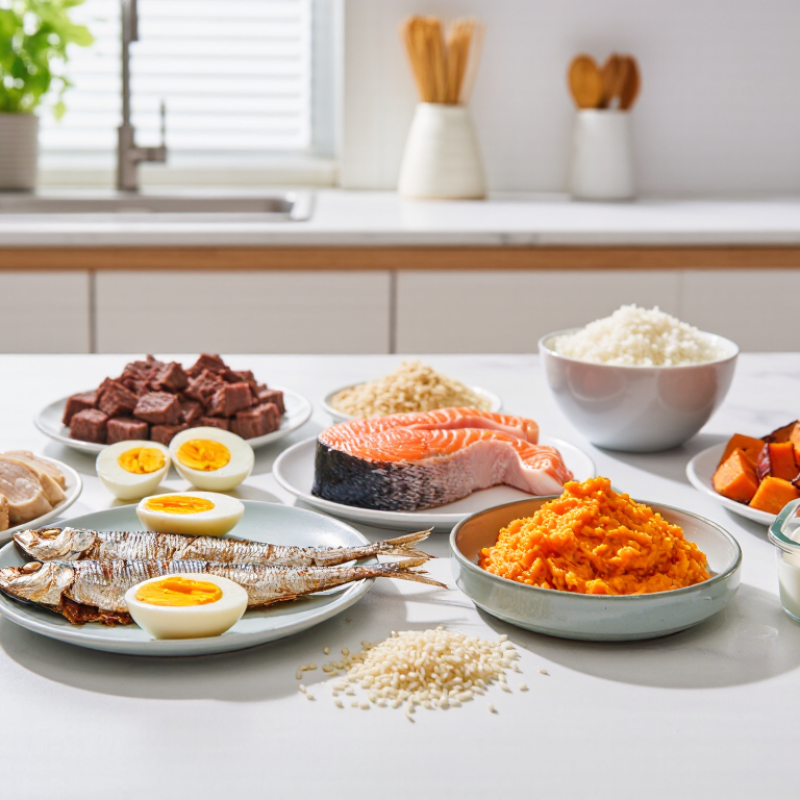
This guide explores China’s top 10 foods that may support healthy weight gain, including cooked chicken, lean beef, eggs, salmon, sardines, pumpkin, sweet potato, rice, oats, and plain yogurt. Each option must be cooked safely, served without onions, garlic, excessive salt, or harmful seasonings, and introduced in small portions. The right choice depends on species, age, allergies, activity, and existing medical conditions. Dogs and cats are not nutritionally identical.

Dr. Lisa M. Freeman, a veterinary nutritionist at Tufts University, has emphasized, “There is no one-size-fits-all approach to feeding pets.” That principle guides this discussion. Calories matter, but nutrient balance matters more. A spoonful of salmon may enrich a meal, while too much fat can upset a sensitive stomach. A warm, soft portion may tempt a reluctant eater. Still, appetite improvement does not prove health improvement. I would question any list promising instant results. Weight should be monitored weekly, ideally with a body-condition score and veterinary guidance. This article offers practical ideas, not a substitute for professional diagnosis or a complete, balanced diet.
China Top 10 Foods That Help Pets Gain Weight Safely?

Understanding Safe Weight Gain Needs in Dogs and Cats

Safe weight gain in dogs and cats begins with the cause, not the bowl. Parasites, dental pain, diabetes, kidney disease, or stress can reduce body weight. A veterinarian should check unexplained loss, especially when appetite changes. Use a body condition score, not appearance alone. Ribs should be easy to feel, but not sharply visible.

For healthy animals, ten commonly available foods may add gentle nutrition: cooked chicken, lean beef, fully cooked egg, salmon, sardines, pumpkin, sweet potato, plain rice, oats, and unsweetened yogurt. Serve meat and fish without bones, seasoning, oil, or sauces. Pumpkin, rice, and oats suit some dogs, but cats need animal protein as their main food. Yogurt is not suitable for every pet because lactose may cause diarrhea. Small portions matter. A teaspoon can be enough for a small cat.

Increase daily calories slowly, often by about ten percent, while monitoring stool, energy, and weekly weight. Mix additions into balanced pet food rather than replacing it. Never use raw meat, cooked bones, chocolate, onions, garlic, grapes, or heavily salted leftovers. I have seen owners add too much fat too quickly. The pet gains weight, but develops vomiting or loose stools. That approach needs reconsideration. Weight gain should improve muscle and energy, not create a round belly alone. If weight does not rise after two or three weeks, reassess the feeding plan with a veterinary professional.

China Top 10 Foods That Help Pets Gain Weight Safely? - Understanding Safe Weight Gain Needs in Dogs and Cats
No. Plain Food Suitable Pets Approx. Energy
per 100 g
Useful Nutrients Safe Preparation and Use Important Precautions
1 Cooked Chicken Thigh Dogs and cats About 200–210 kcal High-quality protein, fat, vitamin B6, niacin Serve fully cooked, plain, skin removed if needed, and finely chopped. Remove every bone. Avoid salt, onion, garlic, sauces, and fried preparation.
2 Cooked Turkey Dogs and cats About 170–190 kcal Lean protein, selenium, phosphorus, vitamin B6 Use plain cooked meat without skin, bones, brine, or seasoning. Processed turkey, deli meat, and turkey with onion or garlic are not appropriate.
3 Cooked Salmon Dogs and cats About 200–210 kcal Complete protein, omega-3 fatty acids, vitamin D, selenium Cook thoroughly and serve small portions with all bones removed. Do not use raw salmon, smoked salmon, or heavily salted fish.
4 Lean Cooked Beef Dogs and cats About 200–220 kcal Protein, iron, zinc, vitamin B12 Cook thoroughly, drain excess fat, and serve unseasoned. Avoid fatty scraps, raw meat, bones, gravy, and products containing garlic or onion.
5 Cooked Egg Dogs and cats About 150–160 kcal Highly digestible protein, fat, choline, vitamin A Serve boiled or scrambled without butter, oil, milk, or seasoning. Avoid raw egg because of bacterial risk; introduce gradually to detect intolerance.
6 Plain Full-Fat Yogurt Mostly dogs; some cats if tolerated About 60–75 kcal Protein, calcium, fat, beneficial live cultures in some products Offer a small amount of unsweetened, plain yogurt only. Many pets digest lactose poorly. Never use yogurt containing xylitol, sugar, fruit syrup, or chocolate.
7 Cooked Sweet Potato Dogs; small amounts for cats About 85–90 kcal Carbohydrates, fiber, beta-carotene, potassium Steam or bake until soft; serve plain and mashed. It is not a replacement for animal protein or a complete pet diet; excess may cause digestive upset.
8 Cooked White Rice Dogs; limited amounts for cats About 130 kcal Digestible carbohydrates and small amounts of manganese Serve fully cooked, soft, and unseasoned alongside a balanced protein source. Rice alone is nutritionally incomplete, especially for cats; avoid oily or seasoned rice dishes.
9 Cooked Oatmeal Dogs; small amounts for cats About 70 kcal Soluble fiber, carbohydrates, manganese, phosphorus Cook with water, cool completely, and serve plain in a small portion. Avoid milk, sugar, raisins, grapes, chocolate, and flavored instant oatmeal.
10 Plain Pumpkin Purée Dogs and cats About 25–30 kcal Fiber, beta-carotene, potassium, moisture Use cooked plain pumpkin without sugar, spices, or pie-filling ingredients. Pumpkin supports digestion but is low in calories and should not be relied on for weight gain.
Safety note: These foods should be used as small additions to a nutritionally complete, species-appropriate diet, not as the main diet. Treats and toppers should generally remain within 10% of daily calories. Increase portions gradually, provide fresh water, and consult a veterinarian if a pet is underweight, losing weight, vomiting, has diarrhea, or has a reduced appetite. Sudden weight loss may indicate an underlying medical condition.
Energy values are approximate and vary with the food's fat content, preparation method, and moisture level.

China’s Top 10 Nutritious Foods for Healthy Pet Weight Gain

Healthy weight gain should build muscle, not simply add fat.

In China, many households can find these ten nutritious foods: cooked chicken, turkey, lean pork, eggs, salmon, sardines in water, pumpkin, sweet potato, oats, and plain unsweetened yogurt.

Serve chicken, turkey, pork, salmon, and sardines fully cooked, without bones, salt, oil, or seasoning. Eggs should be cooked until firm. Pumpkin, sweet potato, and oats provide gentle energy, but dogs usually tolerate them better than cats. Yogurt may cause diarrhea in lactose-sensitive pets. A small spoon is enough.

Keep portions modest.

I have seen owners increase meals too quickly, then face vomiting or loose stools. A safer approach adds one food at a time over seven to ten days. Mix a small amount with the usual complete diet, and measure body weight weekly. Ribs should become less visible, while the waist remains slightly defined. Cats need animal-based protein and should not gain weight through rice or vegetables alone. Dogs with diabetes, kidney disease, allergies, or poor appetite need veterinary guidance before dietary changes. Human food is not automatically complete or balanced, so these ingredients should support, not replace, a nutritionally complete diet. Steady progress is better than a dramatic change.

How to Choose Safe Portions for Different Pet Sizes and Ages

China Top 10 Foods That Help Pets Gain Weight Safely?

Healthy weight gain needs more than extra food. Useful plain options include cooked chicken, turkey, lean beef, eggs, salmon, sardines, pumpkin, sweet potato, rice, and small amounts of cottage cheese. Remove bones, skin, heavy oil, salt, onions, and garlic. Fish must be deboned carefully. Cats need animal protein, while dogs can tolerate more suitable carbohydrates. These foods should support a complete diet, not replace it.

Portions must match body size, age, and health. Start with one teaspoon for a small cat or toy dog, and one tablespoon for a medium dog. Larger dogs may begin with two tablespoons. Add only one new food every three days. Puppies and kittens need measured growth nutrition, divided into three or four meals. Adults often need two meals. Older pets may need fewer calories, especially with kidney, liver, or dental problems. A veterinarian should check unexplained weight loss.

Tips: Weigh food with a kitchen scale. Keep extras below 10 percent of daily calories. Check ribs weekly; they should feel covered, not hidden. Increase portions slowly, perhaps by 5 to 10 percent. Stop if vomiting or diarrhea appears. Perfect portions are difficult to predict. I would adjust gradually, not trust a single chart. Avoid raw meat, cooked bones, grapes, raisins, chocolate, xylitol, and heavily seasoned leftovers.

Foods and Ingredients Pets Should Avoid During Weight Gain

Safe weight gain is not a license to add table scraps. The 2022 Association for Pet Obesity Prevention survey reported that about 59% of dogs and 61% of cats were overweight or obese. This shows how quickly helpful feeding can become excessive. A veterinary examination should check dental pain, parasites, thyroid disease, and intestinal problems before increasing calories. WSAVA nutrition guidance also supports body-condition scoring and regular diet reviews.

Avoid chocolate, coffee, energy drinks, alcohol, and products containing xylitol. The U.S. Food and Drug Administration warns that xylitol can cause rapid hypoglycemia and liver injury in dogs. Grapes and raisins may trigger acute kidney injury, and the Merck Veterinary Manual notes that the toxic amount is unpredictable. Never use onion, garlic, chives, or heavily seasoned leftovers. These foods can damage red blood cells, especially after repeated exposure. Cooked bones may splinter, while fatty meat, fried food, and sausage can provoke vomiting or pancreatitis.

Raw eggs, unpasteurized dairy, and raw meat also deserve caution because contamination risks remain. A small bowl of milk may look harmless, yet many adult pets digest lactose poorly. I have seen owners focus on visible ribs and overlook muscle loss; that is an imperfect shortcut. Weight should rise slowly, with weekly photographs, stool checks, and measured portions. If appetite stays high but weight continues falling, adding richer food may hide the real problem. Veterinary nutrition reports consistently favor complete, balanced diets over improvised calorie boosters.

China: 10 Foods That May Help Pets Gain Weight Safely

Approximate energy content of plain, cooked foods per 100 g

Safer Food Choices

These foods can provide additional calories or protein when offered in small portions and prepared without salt, oil, bones, seasoning, onion, or garlic. They should complement—not replace—a nutritionally complete pet diet.

Foods and Ingredients to Avoid

Avoid chocolate, xylitol, grapes and raisins, onions, garlic, alcohol, macadamia nuts, cooked bones, and heavily seasoned or fatty leftovers. Sudden diet changes can also cause digestive problems.

Energy values are approximate and vary by cooking method and moisture content. A veterinarian should evaluate unexplained weight loss and calculate a safe calorie increase for each pet.

How to Build a Balanced Weight-Gain Feeding Plan for Pets

China Top 10 Foods That Help Pets Gain Weight Safely?

A balanced weight-gain plan starts with a veterinary check. Weight loss may signal dental pain, parasites, diabetes, or other illness. In practice, healthy gain should be slow and measured weekly. Use a kitchen scale, not guesswork. Keep a food diary.

Safe additions may include cooked chicken, turkey, lean beef, egg, salmon, sardines in water, pumpkin, sweet potato, oats, and plain yogurt. Serve meats and fish without bones, oil, salt, or seasoning. Cook eggs thoroughly. Pumpkin and sweet potato provide calories and fiber, but they should not replace complete pet food. Yogurt can upset sensitive stomachs.

Begin with small portions, perhaps five to ten percent above current calories. Increase gradually if stools remain normal. Dogs and cats need different nutrition, so do not copy one plan for both.

Cats require animal-based protein and specific nutrients. Treats should stay near ten percent of daily calories. Fresh water matters.

A perfect chart can fail.

Observe appetite, stool, energy, and body shape. Ribs should become easier to feel, not disappear under fat. If vomiting, diarrhea, weakness, or continued weight loss appears, stop the increase and contact a veterinarian. I would also rethink rapid progress; heavier is not always healthier, and individual metabolism makes simple food lists imperfect.

FAQS

Which foods can support healthy weight gain in pets?

Cooked chicken, turkey, lean pork, eggs, salmon, and sardines can add animal-based protein. Pumpkin, sweet potato, oats, and plain yogurt may provide extra energy. These foods should support a complete diet, not replace it.

How should meat and fish be prepared?

Cook them fully. Remove every bone. Serve without salt, oil, sauces, or seasoning. Avoid fried meat, fatty cuts, and sausage.

Can cats gain weight from pumpkin, rice, or vegetables?

Cats need animal-based protein for healthy weight gain. Small amounts of pumpkin may help some cats. Vegetables should not become their main calorie source.

How quickly should I increase a pet’s food?

Add one new food over seven to ten days. Begin with a small amount mixed into the usual diet. Fast changes can cause vomiting or loose stools.

How can I tell whether weight gain is healthy?

Weigh the pet weekly. Take photographs from the side and above. Ribs should become less visible, while the waist stays slightly defined.

What foods should pets never receive during weight gain?

Avoid chocolate, coffee, energy drinks, alcohol, and products containing xylitol. Do not give grapes, raisins, onions, garlic, chives, or heavily seasoned leftovers. Cooked bones can splinter.

Is milk or yogurt safe for every pet?

No. Many adult pets digest lactose poorly. Yogurt may cause diarrhea in sensitive animals. Try only a very small spoon, and stop if stools become loose.

When should a veterinarian check the pet first?

Seek veterinary guidance if appetite stays high while weight falls. Professional advice is also important with diabetes, kidney disease, allergies, or poor appetite. Dental pain, parasites, thyroid problems, and intestinal disease may affect weight.

Can human food replace a balanced pet diet?

Usually not. Homemade combinations may miss essential nutrients. Use measured additions with a complete diet, and review portions regularly. My shortcut may be imperfect. Steady progress is safer than dramatic change.

Conclusion

Helping an underweight dog or cat gain weight safely requires more than simply increasing calories. The key question is, “what food helps pets gain weight safely?” Nutritious options may include cooked chicken, turkey, lean beef, eggs, oily fish in moderation, pumpkin, sweet potato, rice, oats, plain yogurt when tolerated, and small amounts of healthy oils. These foods can provide protein, energy, vitamins, and digestible carbohydrates when added to a complete, balanced diet.

Portions should be adjusted according to the pet’s species, size, age, activity level, and health condition. Weight should increase gradually, with regular monitoring and veterinary guidance, especially for pets with poor appetite or unexplained weight loss. Avoid chocolate, onions, garlic, grapes, raisins, xylitol, alcohol, cooked bones, excessively fatty foods, and heavily seasoned meals. A safe feeding plan should combine balanced pet nutrition with carefully measured supplemental foods rather than relying on treats alone.

Madeline

Madeline

Madeline is a dedicated marketing professional with a wealth of expertise in our company's core offerings. With a keen understanding of the industry, she brings a unique perspective to her role, consistently delivering high-quality content that highlights the superior aspects of our products. As......