When considering the best health for our dogs, an important question arises: "how much food should I feed my dog per day?" According to the Association for Pet Obesity Prevention, over 54% of dogs in the United States are classified as overweight or obese. This statistic underscores the significance of understanding proper feeding guidelines.
Dr. Lisa Freeman, a renowned veterinary nutritionist, emphasizes, "Feeding practices play a crucial role in your dog's overall health." Her insights highlight that factors such as age, breed, and activity level all influence the amount of food a dog requires. For example, a sedentary dog may need significantly less than a highly active one.
Establishing the right portion sizes helps prevent obesity-related health issues in pets. It's essential for dog owners to calculate food portions tailored to their dog's unique needs. This can often be a point of confusion—leading to reflections on past feeding habits that may not have been ideal. Understanding these variables is critical to ensuring our furry friends receive the nutrients they need without excess.
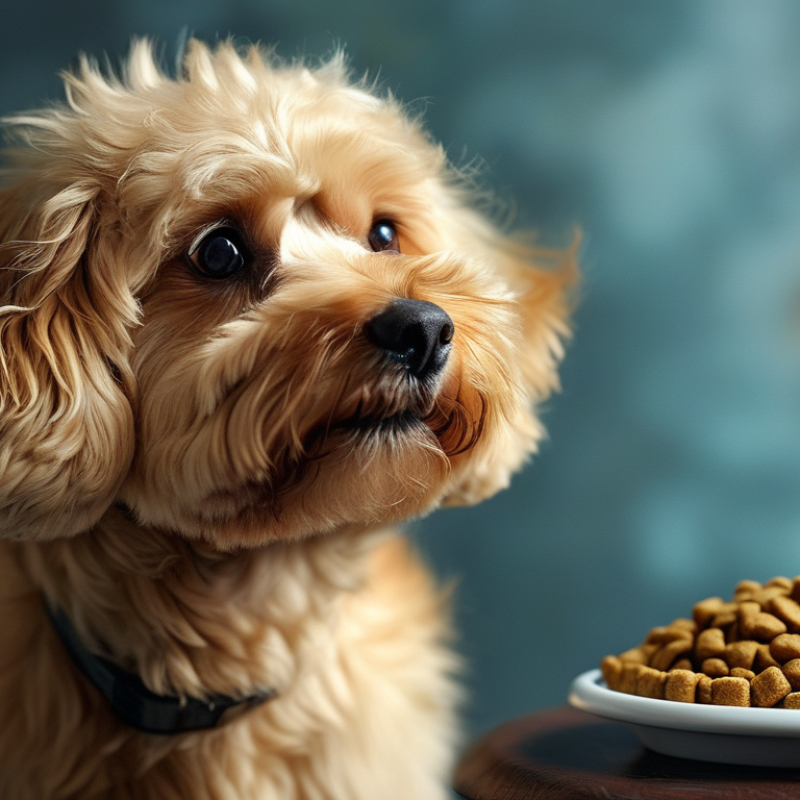
Understanding your dog's nutritional needs is crucial for their overall health. A study from the Association of American Feed Control Officials (AAFCO) highlights that dogs require a balanced diet of proteins, fats, carbohydrates, vitamins, and minerals. Proper nutrition supports growth, energy levels, and immune function. Depending on size, age, and activity level, dogs' needs vary significantly.
Tips: Consult your vet for personalized recommendations based on your dog's specific requirements. Monitor your dog's weight regularly to avoid underfeeding or overfeeding.
Calories are not everything. The quality of food matters too. High-quality ingredients often yield better health outcomes. For instance, active dogs may need up to 30% more calories than sedentary ones. It's essential to adjust food portions based on lifestyle changes.
Tips: Experiment with different protein sources to find what your dog enjoys. Always transition foods gradually to prevent digestive issues. Balancing macros can be tricky and requires observation, but it’s worth the effort.
When determining how much food to feed your dog, several factors come into play. Your dog's age is crucial. Puppies need more calories to fuel their growth compared to adult dogs. An older dog might require fewer calories to maintain a healthy weight. Additionally, size matters. A small breed will not need the same nutrition as a large breed. Monitoring body condition can provide insight into whether you are feeding the correct amount.
Activity levels also influence daily food intake. A dog that frequently exercises will require more calories than a couch potato. Similarly, certain breeds have different metabolic rates. Adjust portion sizes based on how active your dog is. Feeding guidelines on packages can serve as a starting point, but they are often not tailored to individual needs. Regular vet check-ups can help assess your dog’s health more accurately.
Consider any health conditions as well. Dogs with specific dietary restrictions may need modified portions or specialized food. It’s essential to reflect on your dog’s unique circumstances regularly. Changes in your dog's behavior or weight can require adjusting their diet. Trust your instincts and observe your dog closely to find the right balance.
| Dog Breed | Weight (lbs) | Daily Caloric Requirement | Recommended Food Amount (cups) |
|---|---|---|---|
| Small Breeds (e.g. Chihuahua) | 5 - 10 | 200 - 400 | 1/2 - 1 |
| Medium Breeds (e.g. Beagle) | 20 - 50 | 600 - 1200 | 1.5 - 2.5 |
| Large Breeds (e.g. Labrador) | 60 - 100 | 1200 - 2000 | 2.5 - 4 |
| Giant Breeds (e.g. Great Dane) | 100 - 150 | 2000 - 3000 | 4 - 6 |
Finding the right portion size for your dog is crucial for their health. Factors like age, weight, activity level, and breed all influence how much food they need. An active dog may require more calories than a senior dog. It's important to adjust food portions as needed.
Start by consulting a veterinarian. They can provide tailored advice based on your dog's individual needs. Instead of relying solely on packaging guidelines, consider a feeding chart. These charts offer a range based on dog weight and activity level. Monitor your dog's weight regularly. If they are gaining or losing weight unexpectedly, tweak their food portions accordingly.
Pay attention to your dog's body condition. A dog should have a defined waist and not be overweight. Scoop out food in measured portions. It might feel tedious, but consistency is key. Avoid free-feeding habits, as they can lead to overeating. Adjustments might not be perfect at first. It's a process of trial and error, but worth it for your dog's well-being.
Feeding your dog requires more than just following a chart. Understanding your dog’s needs is crucial. Each dog is unique, with varying activity levels and health conditions that affect dietary requirements. Don't just measure food using cups; consider your dog's lifestyle. A more active dog needs more calories than a couch potato.
Establishing a feeding schedule is also essential. Most dogs thrive on routine. Feeding them at the same times each day can enhance digestion and behavior. Pay attention to their reactions. Some dogs may appear anxious if they expect food at a certain time. Observe if they aren't eating. This could indicate stress or health issues.
Monitoring portion sizes matters, too. A good rule of thumb is to adjust the amount of food based on your dog's condition. If you notice weight gain, you may need to cut back. Conversely, if your dog seems thin, an increase might be in order. Life stages, such as being a puppy or a senior dog, also affect nutritional needs. Always consult a vet if you're unsure. It’s an ongoing process of adjustment and learning.
Overfeeding and underfeeding are common issues among dog owners. According to the Association for Pet Obesity Prevention, about 60% of dogs in the U.S. are overweight or obese. These conditions can lead to serious health problems. Signs of overfeeding often include difficulty in movement, excessive panting, and lethargy. Owners might notice subtle changes, such as less interest in play or longer recovery times after walks.
On the other hand, underfeeding presents its own challenges. Dogs that are not receiving enough nutrition may exhibit signs like constant begging, weight loss, and dull coats. A study from PetMD highlights that dogs can develop health issues such as malnutrition if their diet lacks essential nutrients. Keeping an eye on your dog's weight and adjusting portions accordingly is crucial for their health.
The ideal feeding amount varies based on factors like age, breed, and activity level. It's important to consult your veterinarian for personalized recommendations. Monitoring your dog's body condition score can also help in assessing if they're at a healthy weight. Regular check-ins and adjustments ensure your dog remains happy and healthy.
: Puppies need more calories for growth than adult dogs. Older dogs usually require fewer calories to stay healthy.
Smaller breeds require less nutrition than larger breeds. Size significantly influences daily food needs.
Active dogs burn more calories and need more food. Couch potatoes need fewer calories and smaller portions.
Regular vet check-ups help assess your dog's health and dietary needs. Always consult if you have concerns.
Changes in weight can signal the need to adjust portions. A defined waist indicates a healthy body condition.
Free-feeding can lead to overeating and obesity. Establish a consistent feeding schedule instead.
Regularly evaluate your dog's weight and behavior. Adjustments may require trial and error.
Lack of appetite might indicate stress or health issues. Observe your dog's behavior closely for other signs.
Guidelines provide a starting point but may not fit every dog's needs. Personal observation is essential.
Dogs with dietary restrictions may need modified portions or specialized food. Regular reflection on their needs is important.
Determining how much food should I feed my dog per day is crucial for their overall health and well-being. Understanding your dog's nutritional needs involves considering factors such as age, weight, activity level, and any specific health concerns. These elements can significantly influence the daily food intake required to maintain an ideal weight and prevent obesity or malnutrition.
To accurately calculate the right portion sizes for your dog, it's essential to follow guidelines based on their unique characteristics and consult veterinary advice when necessary. Establishing consistent feeding schedules and habits is also beneficial, as it helps regulate their appetite. Additionally, being aware of signs of overfeeding or underfeeding can assist in making adjustments to their diet, ensuring they receive the proper nutrition to thrive.

Petra Pet